
Executive Summary
This paper examines the deterioration in the circumstances of women in Yemen amid the ongoing war, focusing on gender roles and relations, basic capabilities and their vulnerabilities, and access to services and humanitarian assistance. It explores how economic decline, rising poverty and deteriorating security conditions since the outbreak of war in 2015 have contributed to higher school dropout rates among girls and an increase in early marriage. The weakening of healthcare services has also left millions of women and girls in need of emergency medical assistance. At the same time, gender-based violence has increased both within households and in public spaces.
The paper also examines how the war has reshaped women's social and economic roles as households have lost their sources of income and displacement has increased, with women accounting for three-quarters of those displaced. As a result, many women have become the primary breadwinners for their families, engaging in both safe and unsafe economic activities to sustain everyday life.
The paper finds that the erosion of women's basic capabilities in Yemen is not simply a direct consequence of the war, but also reflects longstanding weaknesses in the country's social, political, economic and legal structures, as well as its fragile development plans. Social norms and legal restrictions have long constrained women's freedom of movement and autonomy in decision-making. At the same time, their political and economic empowerment has remained limited or, in many cases, entirely absent. National development plans, meanwhile, have failed to integrate women as an essential part of the development process, treating them instead merely as a vulnerable group whose circumstances need to be improved. The war has therefore only deepened the existing vulnerabilities and structural imbalances that have long perpetuated gender inequality.
The paper concludes that the deterioration in women's circumstances and the erosion of their human capabilities constitute a major development challenge that, unless addressed, will jeopardise Yemen's future development planning. It therefore calls for comprehensive national plans to reform legislative frameworks that hinder women's empowerment. It also emphasises the need to establish emergency education and healthcare facilities close to where girls live, helping to overcome the educational and health vulnerabilities exacerbated by the war. The paper further underscores the importance of ensuring a gender-responsive international humanitarian response and comprehensive protection, while moving beyond emergency relief towards a sustained, development-oriented response.
Keywords: War in Yemen; Women; Gender; Basic Capabilities; Development; Economic Empowerment.
- Introduction
Yemen has endured more than a decade of devastating war, resulting in political division, social fragmentation, the collapse of its economic system and the fragmentation of its geopolitical landscape.[1] The war has had profound, interconnected consequences, undermining the foundations of development and plunging the country into one of the world's worst humanitarian crises. Some 3.65 million people have been displaced, while essential services, including healthcare and education, have collapsed.[2]
International reports indicate that about two million children are out of school, and another four million need help to continue their education. The healthcare system is on the verge of collapse, with more than half of all health facilities either closed or operating at reduced capacity. Around 16 million people also lack access to clean water and sanitation.[3] Many households have lost their primary sources of income, while the suspension of public-sector salaries has contributed to widespread extreme poverty.[4]
Women have been among those hardest hit by this crisis. Yemeni women have suffered particularly severe political, economic and social consequences of the war, forcing them to shoulder additional responsibilities alongside their traditional roles to help preserve the social and economic cohesion of their communities.[5] The war has exposed them to multiple, overlapping forms of vulnerability, with poverty, displacement, violence and the loss of livelihoods deeply intertwined.[6]
Women and children have accounted for 70% of those displaced.[7] Gender-based violence and early marriage have become more prevalent, while deteriorating security conditions have further restricted women's freedom of movement. The proportion of widowed and divorced women has also increased. Since the outbreak of the war, growing numbers of women have become the primary breadwinners for their families as men have been absent, injured or killed after joining the fighting.[8]
The paper draws on two complementary theoretical frameworks. The first, the capability approach, shifts analysis beyond economic measures of resources and income to the substantive freedoms available to women in society, providing a basis for assessing how the erosion of their basic capabilities affects their everyday lives. Second, the Gender and Development (GAD) approach examines the challenges facing women as outcomes of unequal power relations within society, rather than merely as development disparities. Together, these approaches provide the framework for addressing the paper's central research question: To what extent has the war affected women's basic capabilities in Yemen?
The paper therefore examines the economic, political and social dimensions of Yemeni women's suffering amid the war as a complex, multidimensional crisis. It also seeks to identify the structural roots of their vulnerabilities within the state and examine how these have contributed to the erosion of women's capabilities in Yemen today. In doing so, it underscores the importance of comprehensive development approaches that integrate women into Yemen's development process.
- Theoretical Framework
The paper draws on two complementary theoretical approaches: the capability approach and Gender and Development (GAD) theory. Together, these approaches provide a robust framework for examining the challenges facing Yemeni women amid the ongoing war and the country's current state of fragility, not as temporary consequences of the conflict, but as problems deeply rooted in social, economic and political policies. The war has served to reproduce and exacerbate these longstanding problems, further compounding the social burdens borne by Yemeni women.
-
- The Capability Approach
The capability approach is a theoretical framework for analysing development. Pioneered by Amartya Sen in development economics, it was later developed by Martha Nussbaum. The approach challenges conventional measures of well-being, such as income and subjective utility, and places the development and empowerment of human capabilities at the centre of its analysis. It focuses on what people can genuinely do and be, and on their ability to lead lives consistent with human dignity. From this perspective, the capability space provides the most appropriate basis for assessing questions of social equality and inequality. The approach therefore emphasises that every individual, without exception, should be empowered to realise these capabilities, based on the principle that each person is an end in themselves, rather than merely a means to achieving the ends of others.[9]
The capability approach shows that development challenges cannot be fully understood without examining the gender-based disadvantages women face in most countries. It highlights how unequal social and political conditions across education, healthcare, employment, power and the law translate into disparities in the capabilities available to women and men.
The approach also highlights development challenges in fragile contexts, where poverty intersects with gender inequality, resulting in severe failures to realise basic human capabilities.[10]
-
- Gender and Development Theory
Gender and Development (GAD) theory emerged in the 1980s as an approach to analysing the political, social and economic dimensions of development. It holds that unequal gender relations impede development and restrict women's participation in political and economic life. The approach therefore emphasises dismantling the political, social, and economic power structures that perpetuate these inequalities, enabling women and men to participate on equal terms as both decision-makers and beneficiaries of development.[11]
From this perspective, gender-related attitudes and practices are socially constructed, shaping women's and men's access to power and their ability to exercise influence within society. Prevailing attitudes towards women's responsibilities reinforce existing gender hierarchies, limiting their opportunities for advancement within economic and political institutions. Development efforts that fail to address these attitudes and underlying assumptions are therefore destined to fail.[12]
-
- Relevance of the Two Theories to the Study of Women’s Circumstances in Yemen
Combining the capability approach with Gender and Development theory provides a comprehensive framework for examining the war's impact on women's circumstances in Yemen. Together, they offer a way to analyse the crisis's multiple dimensions, showing how the severe erosion of women's capabilities stems from unequal power relations within society and from development approaches that have long treated women's empowerment as a means to development rather than an end in itself.
These longstanding conditions have fostered inequality, exclusion and marginalisation among Yemeni women, all of which the war has exacerbated amid the collapse of the state, leaving women the most severely affected and vulnerable segment of society. Together, these approaches help explain the deterioration in women's circumstances as the combined outcome of entrenched structural constraints and the erosion of their substantive human capabilities.
The two theories also bring together complementary dimensions of development: strengthening individual capabilities and pursuing structural reform. Together, they provide a basis for designing comprehensive development policies in fragile contexts such as Yemen.
The capability approach emphasises developing women's individual capabilities across areas such as education and health, grounded in freedom of choice, as a development objective in its own right. Gender and Development theory, meanwhile, offers a broader, multidimensional perspective that seeks to integrate Yemeni women as an essential component of political, economic, social and other structural systems. Together, these approaches lay the foundations for comprehensive, sustainable development built on a solid structural basis.
- Analysing the Erosion of Yemeni Women’s Capabilities Amid the War
- Overview of the Erosion of Yemeni Women’s Basic Capabilities During the War
The capability approach suggests that women's basic capabilities are particularly vulnerable to erosion in fragile contexts.[13] Yemen illustrates this pattern: since the outbreak of conflict between the country's various parties in 2015, women have been among those most severely affected. The war has undermined their stability and basic capabilities across multiple dimensions, including security, health, education, economic well-being and political empowerment.
Women and children account for more than 70% of those displaced by the conflict, while women head approximately 30% of displaced households, compared with 9% before the war. The conflict has also exacerbated existing disparities between women and men in Yemeni society, widening the gender inequality gap. Throughout the war, Yemen has recorded exceptionally high levels of gender inequality on the United Nations Development Programme's Gender Inequality Index (GII) (see Figure 1). According to the World Economic Forum's Global Gender Gap Report 2021, Yemen ranked 155th out of 156 countries in terms of gender equality.[14]
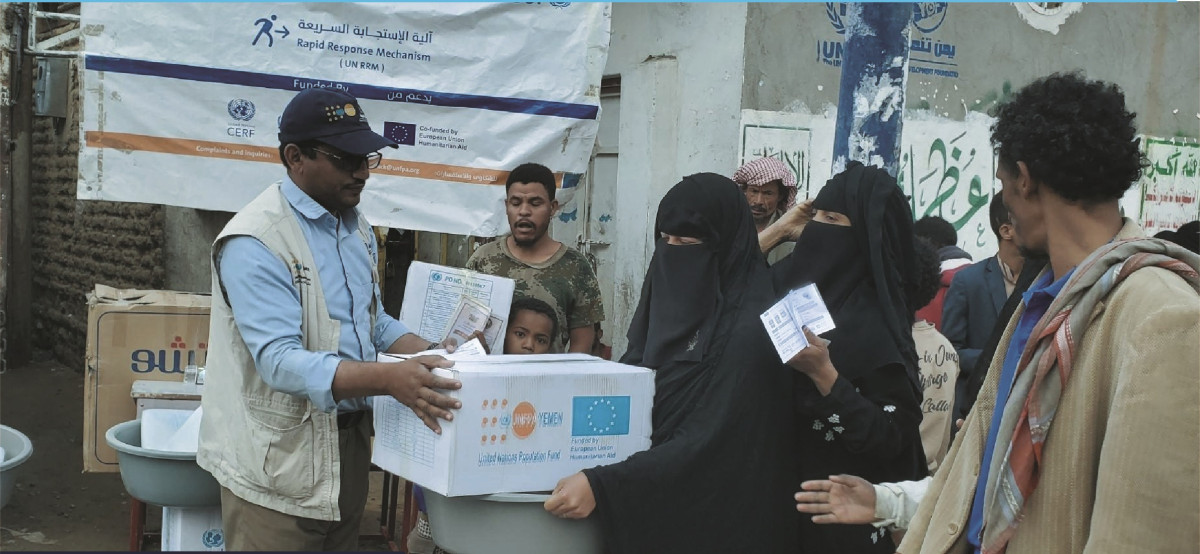
A 2021 report by the United Nations Office for the Coordination of Humanitarian Affairs (OCHA) found that approximately 6.1 million women and girls needed emergency services, including medical care, psychosocial support, emergency shelter and legal assistance for survivors of gender-based violence.[15]
Gender Inequality Index (GII), 2015–2023

Figure 1: Source: UNDP
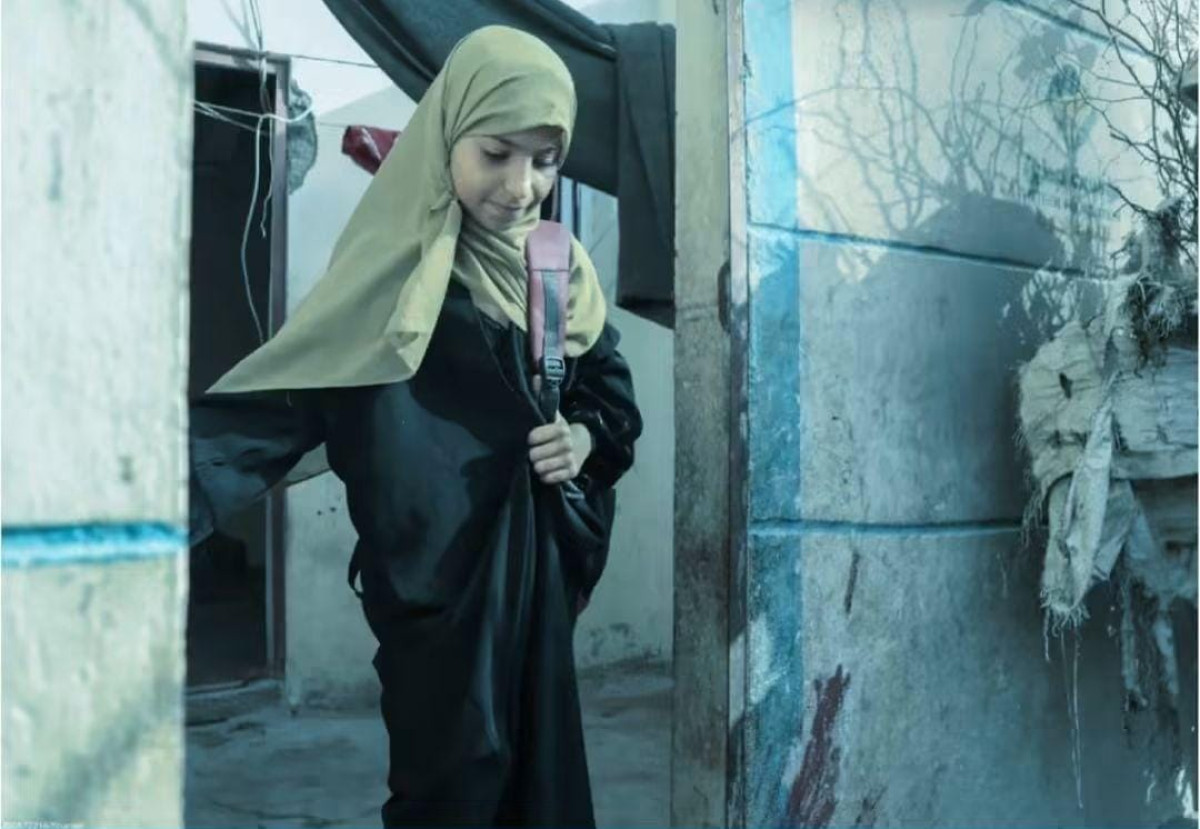
The war has severely disrupted girls' education in Yemen. An estimated 2.7 million children are out of school, 47% of whom are girls.[16] Heightened insecurity, deteriorating household economic conditions, the destruction of numerous schools, displacement and limited transport options for girls have all contributed to rising illiteracy and school dropout rates among girls, with early marriage becoming increasingly prevalent as a consequence. These pressures are compounded by a persistent preference for educating boys, particularly in rural areas.[17]
In terms of health, women and girls in Yemen are frequently deprived of access to essential resources, services and opportunities amid the war. Survivors of gender-based violence often lack access to support services or are unaware of where such services are available, even when they exist. This exposes them to the risk of death, complications from physical injuries, HIV infection and other sexually transmitted infections, all of which are risks that could be prevented through access to appropriate healthcare.[18]
The conflict, compounded by disease outbreaks and natural disasters, has also increased caregiving burdens, while access to reproductive health services has fallen to 42% and child health services to 81%.[19] Meanwhile, incidents of gender-based violence have increased by more than 63%.[20] Early marriage has also become more prevalent during the conflict, driven by economic collapse, insecurity and girls being forced to leave school. Many families have resorted to marrying off underage daughters to repay debts, cope with rising living costs or protect them from the insecurity and instability brought about by the conflict.[21]
This practice has become widespread, alongside forced marriages to wealthy, older men from other Yemeni governorates or countries such as Oman and Saudi Arabia. Most of these marriages have been temporary, ending in divorce or the husband's disappearance without formally dissolving the marriage. Such arrangements have constituted a form of human trafficking and inflicted severe psychological trauma on the girls involved.[22]
Since the outbreak of the conflict, women have faced rising levels of domestic violence at the hands of fathers, husbands and brothers, alongside incidents of rape and sexual harassment, particularly in camps for internally displaced persons (IDPs). Violence and sexual harassment in public spaces have also increased amid widespread insecurity and water scarcity, which forces women to travel long distances to collect water. International reports have documented such abuses perpetrated by armed militia forces in government-controlled areas. In Houthi-controlled areas, women and girls have been abducted and held for ransom, exposing them to social stigma in a society shaped by entrenched patriarchal structures.[23]
The parties to the conflict have also imposed restrictions on women's freedom of movement and access across Yemen. The Houthis, for their part, have introduced a stringent policy requiring women to be accompanied by a male guardian (mahram) when travelling or to obtain written permission from a male guardian. This requirement had not previously existed in Yemen. Meanwhile, women have been detained for hours at checkpoints operated by forces affiliated with the internationally recognised government and the Southern Transitional Council (STC), and in some cases have been forced to turn back.[24]
The loss of income traditionally provided by men, whether due to rising unemployment, their absence or their deaths during the war, coupled with deteriorating economic conditions, has compelled women to take up new forms of employment and income-generating activities to support their families. This has placed additional burdens on Yemeni women.[25]
In doing so, women have challenged longstanding social taboos by entering occupations previously considered socially unacceptable or largely confined to women from lower social strata and migrant workers, including domestic cleaning and work in beauty salons. Women have also entered occupations traditionally reserved for men before the war, taking jobs in shops, working as restaurant waitresses and hotel receptionists. In Taiz Governorate, some have entered construction-related trades, including carpentry, excavation, and painting buildings. Others have established small home-based businesses, such as tailoring, perfume-making and selling home-cooked food.[26]
Some women have also been recruited into the security forces of conflict parties. In Taiz, women have joined the so-called Popular Resistance forces. In contrast, others have staffed checkpoints, participated in house raids and joined female security units affiliated with the Houthis.[27]
-
- Root Causes: Social, Economic, Political, Legal and Developmental Factors
Gender and Development (GAD) theory emphasises that the erosion of women's capabilities and the failure of development efforts are closely linked to prevailing power relations and structures of authority within society, which perpetuate inequality between women and men.[28]
This perspective helps explain the persistent gender inequality in Yemen, where gender roles and relations are shaped by deeply entrenched cultural, social and political traditions. These relationships are complex and vary between rural and urban areas.[29] Patriarchal structures and established gender norms have reinforced these inequalities through various forms of social, economic, political and legal discrimination.[30]
At the social level, women's constitutional and legal rights often conflict with deeply rooted cultural traditions and social norms that maintain a separation between male and female spheres. Men in Yemen largely control decisions concerning women's marriage, education and freedom of movement. Prevailing norms and practices also exclude women from economic participation or confine them to occupations that often extend their domestic roles. Such practices persist in both rural and urban areas, albeit to varying degrees, while women's presence alongside men in public spaces is often regarded as a violation of family honour.[31]
Economically, Yemen has one of the widest gender gaps in labour force participation worldwide, with women's participation rate at just 6%, compared with 65% among men.[32] According to the 2013–2014 Labour Force Survey, women accounted for only 7% of employed people.[33]
Women own no more than 6.5% of businesses and account for just 5% of full-time employees in enterprises. Very few businesses have women in senior management positions.[34] Agriculture remains the principal source of employment for women, accounting for 40% of employed women.[35]
Gender Gaps in Unemployment Rates and Labour Market Exclusion

Figure 4: Source: World Bank, 2014
Politically, despite gaining the right to vote in 1967, Yemeni women have consistently faced limited opportunities for political empowerment.[36] Their representation in political positions, including government, ministries, and public institutions at national and local levels, has never exceeded 2.76%.[37] Women also held just 0.3% of seats in the former national parliament and have played only a marginal leadership role in national and local peace agreements.[38]
Legally, Yemen's legislative framework, established following the unification of North and South Yemen in 1990, particularly its personal status and family laws, imposes significant restrictions on women's freedom of choice and movement, as well as their participation in decisions affecting their lives. The absence of a clearly defined minimum legal age for marriage also leaves girls without adequate protection against child marriage, domestic violence and early school dropout.[39]
The scale of child marriage is reflected in Yemen's 2013 National Health and Demographic Survey, which found that 31.9% of women aged 20–24 had married before the age of 18, while 9.4% had married before the age of 15.[40] From a development perspective, Yemen had made no meaningful progress even before the war. Before the outbreak of the current conflict, the country already faced extensive humanitarian needs, with approximately 16 million people, or 61% of the population, requiring humanitarian assistance.[41] Yemen also ranked poorly on development indicators, ranking 153rd on the Human Development Index (HDI) and 138th in extreme poverty.[42]
Taken together, these factors have reinforced structural inequalities between women and men in Yemen. Women and girls have experienced a deterioration in their ability to access essential goods, education and healthcare services, contributing to poorer development indicators and worsening socioeconomic conditions.[43]
A comparison of Yemen's gender inequality indicators before and after the outbreak of war further reveals that the deterioration in gender equality extends beyond the direct consequences of the conflict, reflecting a deep-rooted structural crisis. The Gender Inequality Index (GII) and its three constituent dimensions show relatively little change between the two periods, with Yemen recording an index value of 0.815 before the war, compared with 0.838 after its outbreak (see Figures 2 and 3).
Gender Inequality Index (GII) in Yemen, 2014

Figure 2: Source: UNDP
Gender Inequality Index (GII) in Yemen, 2023

Figure 3: Source: UNDP
-
- National Action Plan on Women, Peace and Security: Weaknesses in Design and Lack of Implementation
In 2019, Yemen's internationally recognised government announced its first National Action Plan on Women, Peace and Security to implement the relevant resolution. The plan set out four overarching objectives: participation, protection, relief, and recovery.[44]
The plan sought to increase women's representation across the executive, legislative and judicial branches of government, as well as in the armed forces, security services and diplomatic corps. It also aimed to establish gender-sensitive early warning mechanisms; provide health, psychological, and legal support services to women and girls; address the needs of the most vulnerable among them; and ensure their participation in disarmament planning and relief efforts. In 2020, the government announced that the Ministry of Social Affairs and Labour would implement it.[45]
However, the plan was undermined by significant weaknesses in its design and implementation. The parties' political agendas shaped its institutional structure, which was based on a quota-based power-sharing arrangement. Consequently, women's access to the plan's benefits depended on the prevailing balance of power and territorial control.[46]
The plan was also adopted without a dedicated implementation budget, while partnerships and the division of responsibilities among government institutions, civil society, international organisations and the donor community remained weak. These shortcomings were compounded by the failure to adequately integrate the Women, Peace and Security agenda into humanitarian response plans and their funding arrangements.[47]
As a result, Yemeni women have been largely excluded from peace negotiations or afforded only minimal representation, with the warring parties refusing to include women in their negotiating delegations.[48]
The international community has also failed to advocate for the plan or pressure the Yemeni parties to implement it. UN Security Council Resolution 2216, which addresses the cessation of violence in Yemen, did not call for women's inclusion, restricting their participation to dialogue processes rather than the peace negotiations themselves.[49]
Women have also been systematically excluded from policymaking and decision-making in recent years, including decisions on government formation and appointments to senior positions such as deputy, undersecretary, and director-level posts, with only a few limited exceptions.[50]
-
- Comparative Case Study: Bangladesh’s Model of Prioritising Women’s Empowerment in Development
Bangladesh offers a model for advancing gender equality and women's empowerment through public policy. Since the 1990s, successive governments have made women's development a policy priority, incorporating measures to promote women's empowerment across multiple dimensions into national development plans. This approach reflects a recognition that comprehensive development cannot be achieved without women's active participation in all spheres of society.[51]
Bangladesh has enacted legislation and amended existing laws to protect women's rights. Despite persistent structural barriers rooted in patriarchal norms and social isolation, affirmative action policies have succeeded in strengthening women's political participation, both in parliament and in other political positions.[52]
Economically, Bangladesh has integrated millions of women into the labour market, with female labour force participation rising to 36%, the highest rate in South Asia. Estimates also suggest that women own more than half of online businesses operating through Facebook.[53]
Government programmes promoting girls' education have increased school enrolment and helped reduce early marriage, while health policies have contributed to declining fertility rates. Cooperation between the government and non-governmental organisations has also strengthened women's independence through financing, healthcare and social protection programmes.[54]
Bangladesh's experience is particularly relevant to Yemen because the two countries share similar structural challenges rooted in cultural norms and social structures. Despite entrenched social conventions, fragility, poverty, and conflict, Bangladesh has made gender equality central to its national development plans, moving beyond measures that ensure women's immediate survival toward sustainable empowerment.
Despite the numerous domestic and international humanitarian and development programmes and plans aimed at improving women's circumstances during the war, these initiatives have remained limited in scope, focusing on temporary, short-term relief rather than comprehensive, sustainable development. Most have been hampered by inadequate funding, shortcomings in implementation, poor coordination and weak supporting legal frameworks. As a result, women's capabilities have continued to deteriorate rather than improve, while gender inequalities have deepened. National programmes have suffered from inadequate coordination with local and international actors, limited resources and implementation shortcomings, leaving them with little impact in the face of women's growing needs during the war.[55]
International humanitarian responses have likewise failed to give sufficient priority to women's circumstances, with interventions largely designed around standardised programmes that do not adequately account for women's differing needs. Meanwhile, substantial funding gaps have persisted despite the continued rise in gender-based violence and the scale of reproductive healthcare and protection needs, leading to reductions in essential services for women and, in some cases, their complete absence.[56]
- Conclusion
The paper concludes that the erosion of women's basic capabilities in Yemen amid the war is not a temporary crisis caused by the conflict, but a structural problem reflecting longstanding gender inequalities embedded in the country's economic, political and social structures. Addressing this crisis requires comprehensive development approaches that tackle these underlying inequalities and recognise women as partners in development, rather than merely as a vulnerable group whose living conditions need to be improved.
The analysis also finds that the war has broken down longstanding social taboos surrounding the roles and occupations women can undertake outside the home. While this shift has positive implications, it has also placed additional burdens on women. At the same time, the conflict has deepened pre-existing gender inequalities and given rise to new forms of gender-based violence, including violations of women's safety in public spaces.
The erosion of women's basic capabilities and the transformation of their social roles during the war demonstrate that empowering Yemeni women is no longer merely a means of achieving gender equality or simply one development option among others. It has become an essential pillar of Yemeni society's recovery. Where state institutions have failed, women have played a central role in preserving social and economic cohesion and sustaining everyday life. Integrating women into recovery and development processes is therefore a strategic imperative for rebuilding the Yemeni state and society and ensuring their stability and progress.
Urgent action to address the vulnerabilities facing women in Yemen is essential. Continued gender-based deprivation threatens to erode the human capital represented by women, who constitute half of Yemeni society, leaving a generation increasingly vulnerable to widening educational disparities, rising poverty and a lack of essential skills. The resulting intergenerational cycle of disadvantage would undermine development and perpetuate fragility for years, potentially even decades.
- Policy Recommendations
Having examined the erosion of Yemeni women's basic capabilities as a multidimensional structural problem rooted in political, economic, social, legal and developmental factors, the paper presents the following policy recommendations:
- Adopt Comprehensive National Development Plans that Promote Gender Equality
National development plans and programmes should prioritise women's substantive empowerment within society, strengthening their agency and capacity to exercise influence. Rather than focusing solely on improving women's access to services and resources, these efforts should also expand their roles in society and strengthen their leadership. This requires urgently including women as active, meaningful participants in peace negotiating teams, rather than merely as observers, to ensure any resulting peace accounts for the concerns and interests of all segments of Yemeni society.
- Implement National Frameworks for Women and Put Them into Practice
The state should implement the provisions concerning women set out in the National Dialogue Conference Outcomes Document, which are intended to address the structural inequalities that perpetuate gender disparities. These provisions seek to guarantee equal citizenship by eliminating discrimination, protecting women from violence and discrimination, and enacting the necessary legislation.
They also affirm women's role in economic and social development and place responsibility on the state to ensure that women have access to investment opportunities and economic ventures, whether independently, through their own organisations or through organisations in which they participate. Furthermore, the provisions call for women to hold at least 30% of positions across political decision-making bodies and elected institutions, and for the minimum legal age of marriage to be set at 18.
- Establish Small Community Schools and Healthcare Facilities Close to Residential Areas
Small community schools should be established close to where girls live to encourage them to remain in education. This would help address school dropout caused by long distances and displacement, as well as the associated safety risks arising from insecurity amid armed conflict.
Similarly, establishing permanent and mobile healthcare facilities close to residential areas and displacement sites would help ensure continuous access to healthcare services. This, in turn, would help reduce deaths and illnesses associated with inadequate access to healthcare, whether due to high transport costs or difficulties reaching health facilities amid ongoing conflict.
- Integrate Women into Local Decision-Making Structures
Women should be actively involved in local councils, relief committees, and community planning bodies to develop local humanitarian and development plans that reflect the needs of women and girls. Their participation would improve the quality of humanitarian responses, enhance women's access to essential services and foster women leaders capable of contributing effectively to reconstruction efforts, thereby helping to narrow gender disparities.
Humanitarian assistance programmes should go beyond allocating specific forms of aid or setting quotas for women beneficiaries. Instead, gender equality considerations should be fully integrated into every stage of analysis, design, planning and financing. This approach should be grounded in an understanding of the diverse and multiple needs of women in Yemen, taking into account existing gender inequalities and the additional economic and social burdens imposed on women by the war.
- Strengthen the International Community’s Role in Supporting Women’s Full Inclusion in State Institutions
Relevant international institutions and organisations must actively advocate for comprehensive, sustainable development that advances gender equality in Yemen. This requires systematic pressure on local actors, making funding conditional on supporting women's participation and implementing legislative reforms that ensure their inclusion in development processes grounded in social justice.
- Gradually Transition from Temporary Emergency Relief to Sustainable Development Support
International and national interventions should gradually shift from emergency relief towards development programmes that address the root causes of vulnerability and prioritise capacity-building. This should include expanding cash-for-work programmes so women can participate across all governorates. Assistance to women, particularly cash assistance, should also be linked to vocational and management training, enabling beneficiaries to turn this support into sustainable, income-generating enterprises that provide regular income and greater economic stability.
[1] Dashela, Political Settlement in Yemen: Challenges and Future Prospects, Policy Analysis (Fikra Forum, 2023), https://shortlink.win/1EtGA
[2] Fawziah Al-Ammar, Hannah Patchett & Shams Shamsan, A Gendered Crisis: Understanding the Experience of Yemen’s War (Sana’a Center for Strategic Studies, 2019), p.12. https://shortlink.win/1EtHP
[3] Maha Awadh and Nuria Shuja’adeen, Women in Conflict Resolution and Peacebuilding in Yemen (UN Women, 2019). Pp.11-12.
[4] J. D. Moyer, D. Bohl, T. Hanna, B. R. Mapes, and M. Rafa, Assessing the Impact of War on Development in Yemen (UNDP, 2019). Pp.22-23.
[5] رويدا العريقي، واقع التمكين الاقتصادي للمرأة اليمنية في ظل الحرب (2015–2020)، مجلة جزيرة العرب للبحوث التربوية والإنسانية 2، العدد 17 (2023). ص 98.
[6] International Rescue Committee (IRC), Protection, Participation and Potential: Women and Girls in Yemen’s War, 2019, P.7. https://shortlink.win/1yGVk
[7] OCHA, Humanitarian Needs Overview 2021 – Yemen, February 2021, P.28. https://shortlink.win/1EC4Q
[8] Moyer et. al, P.26.
[9] Amartya Sen, Development as freedom. New York: Oxford University Press, 1999.P.10.
ينظر أيضاً:
Martha C. Nussbaum, Women and Human Development: The Capabilities Approach (Cambridge: Cambridge University Press, 2000). P.5.
[10] Nussbaum, P.3-4, P.6.
[11] E. M. Rathgeber, WID, WAD, GAD: Trends in Research and Practice, The Journal of Developing Areas 24, no. 4 (1990): 493-495.
[12] Rebecca Tiessen et. al, Gender and Development: Theoretical Contributions, lnternational Commitments, and Global Gampaig, In: Introduction to international development: Approaches, actors, issues and practice, edited by Paul A. Haslam, Jessica. Schafer & Pierre Beaudet, Canada: Oxford University Press, 2013.
P.88.
[13] Nussbaum, P.3.
[14] United Nations Development Programme (UNDP), UNDP Yemen: Gender Equality Strategy 2022–2025 (May 7, 2024), P.4. https://shortlink.win/1EvCB
[15] FAO, The Gender-Differentiated Impacts of Multiple Crises: Findings from the Governorates of Abyan and Lahj in Yemen (Rome: FAO, 2023), P.2. https://doi.org/10.4060/cc8403en
[16] OCHA, Humanitarian Needs Overview: Yemen (2023), P.24. https://shortlink.win/1yGxN
[17] مارتا كولبورن، مراحل حياة المرأة اليمنية (مركز صنعاء للدراسات الاستراتيجية، 2021)، ص 35. https://shortlink.win/1EtDQ
[18] Wolfgang Gressmann, From the Ground Up: Gender and Conflict Analysis in Yemen (Oxfam, CARE, and GenCap Oxfam, 2016), P.11. https://shortlink.win/1EtE0
[19] UNDP Yemen, Gender Equality, Ibid.
[20] International Rescue Committee, p.3.
[21] Al-Ammar et. al, p.50.
[22] Ibid, P.51.
[23] Al-Ammar et. al, P.60-61.
[24] Human Rights Watch, World Report 2025: Events of 2024 (2025), P535. https://shortlink.win/1EBp1
[25] FAO, P. VIII.
[26] Al-Ammar et. al, Pp.23-25.
[27] فتحية باحشوان، مشكلات الحرب وآثارها على المرأة والطفل: دراسة اجتماعية، مجلة جامعة حضرموت للعلوم الإنسانية، المجلد 19، العدد 2 (2022)، ص 411. أنظر ايضًا:
Awadh and Shuja’adeen, P.16.
[28] Rathgeber, P.495.
[30] Al-Ammar et. al, p. 11.
[31] World Bank, The Status of Yemeni Women: From Aspiration to Opportunity, 2014, P.11. https://shortlink.win/1EBCl
ينظر أيضاً
Maria Holt, The Worst Place on Earth to Be a Woman: Violence against Yemeni Women in Peace and War, Gendefr and Women’s Studies, Vol. 3, no. 1 (2020), Pp.12-13.
[32] FAO, P.31.
[33] Al-Ammar et. al, P.22.
[34] World Bank, P. xi.
[35] FAO, P.31.
[36] United Nations Development Programme (UNDP), p.5.
[37] علي الحاوري، المشاركة السياسية للمرأة اليمنية (1990–2010)، المجلة العلمية المحكمة، العدد 20 (2018)، ص178-190. https://shortlink.win/1EBGG
[38] United Nations Development Programme (UNDP), p.4.
[39] World Bank, P. x.
[40] Al-Ammar et al, P.49.
[41] Gressmann, P.16.
[42] Moyer et. al, P.6.
[43] FAO, Pp.21-22.
[44] United Nations Development Programme (UNDP), P.5.
[45] هدى علوي، المساواة بين الجنسين في اليمن، شبكة المنظمات العربية غير الحكومية للتنمية، 2024، ص15. https://shortlink.win/1EBLJ
[46] المرجع نفسه، ص 16.
[47] اللجنة الوطنية للمرأة، التقرير الوطني للجمهورية اليمنية: المراجعة الوطنية الشاملة للتقدم المحرز نحو تنفيذ إعلان ومنهاج عمل بيجين +30 للفترة 2020–2024 (اللجنة الوطنية للمرأة بالتعاون مع هيئة الأمم المتحدة للمرأة (UN Women)، 2024، ص7-8. https://shortlink.win/1yGx7
[48] Al-Ammar et al, P.69.
[49] International Rescue Committee, p.9.
[50] علوي، مرجع سابق.
[51] Md Mustafizur Rahman, The Empowerment of Women in Bangladesh: Not Just Rhetoric, ISAS Insights, no. 363 (Singapore: Institute of South Asian Studies, National University of Singapore, 2020). P.3. https://shortlink.win/1EBQE
[52] Ibid. Pp.4-5.
[53] Mercy Tembon, “Bangladesh’s Prosperity Hinges on Gender Equality,” World Bank Blogs, 2022, https://shortlink.win/1yOtN
[54] Rahman, P.5.
[55] علوي، ص11.
[56] International Rescue Committee, Pp.5, 8-9.